2026第五屆司法心理學國際研討會:「從鑑定報告到判決理解:國民法官制度下心理學知識的溝通困境與解方」
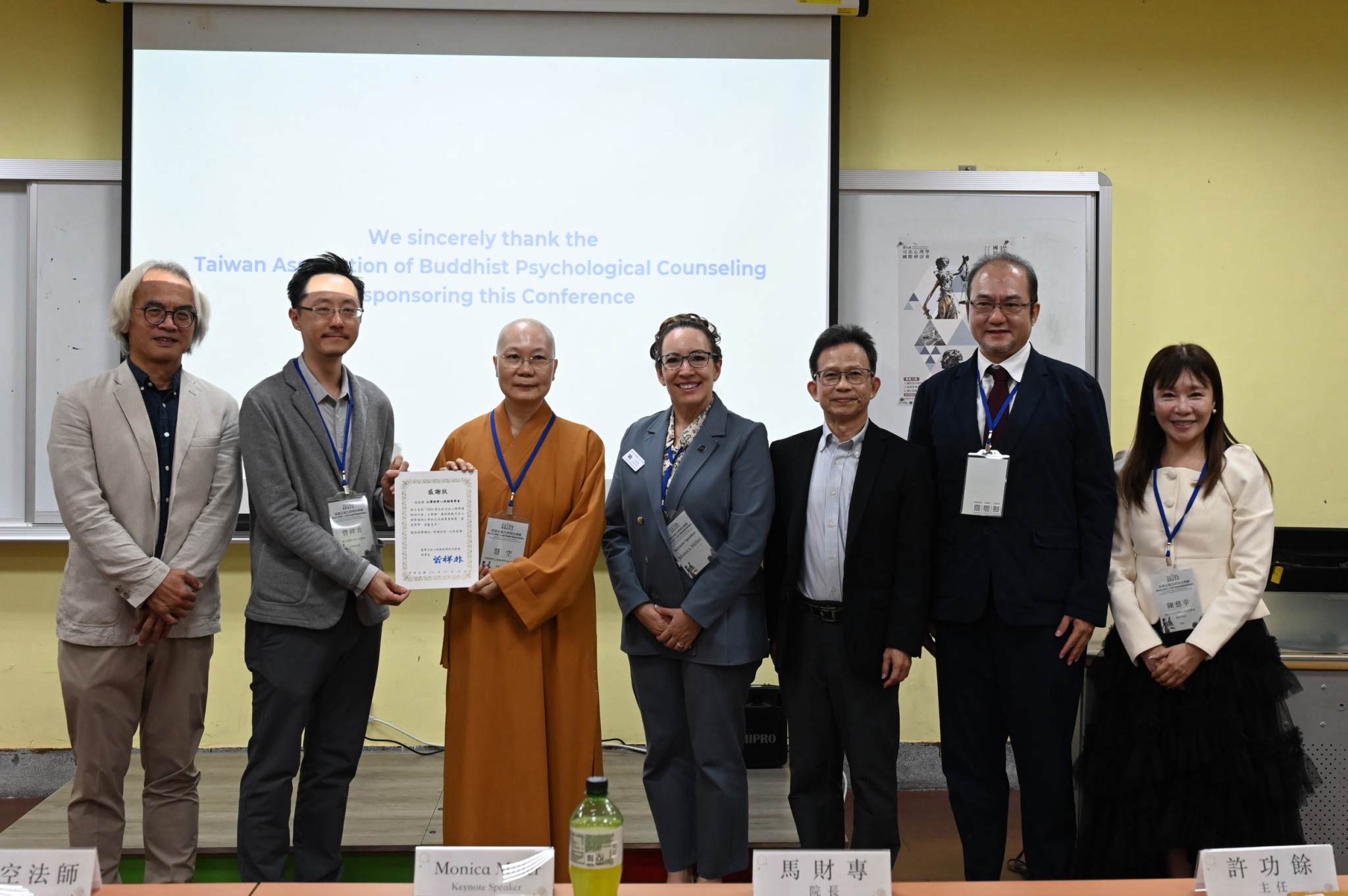
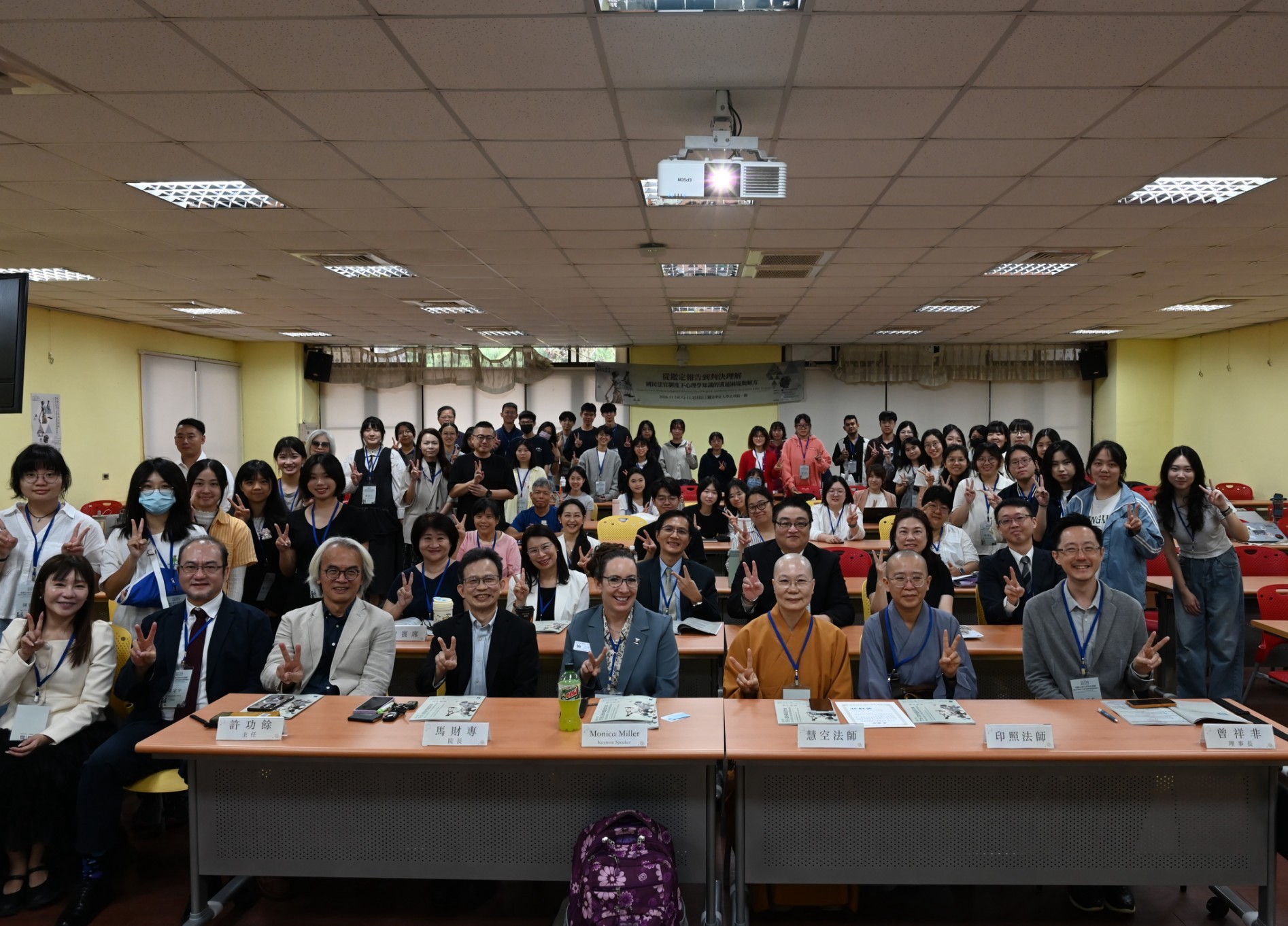
為促進臺灣司法心理學與犯罪防治領域的專業發展,臺灣司法心理與犯罪防治協會持續舉辦國際研討會,推動學術研究與司法實務的跨領域交流。2026 年第五屆司法心理學國際研討會於 11 月 14 日至 15 日在國立中正大學舉行,以「從鑑定報告到判決理解:國民法官制度下心理學知識的溝通困境與解方」為主題,為期兩天的研討會累計吸引逾 200 人次參與,邀集國內外專家學者與實務工作者,共同探討心理學專業知識如何在司法程序中被正確理解與運用。
司法心理學(Forensic Psychology)是心理學專業在司法與法律系統中的實踐,結合心理學知識、臨床評估與司法實務;犯罪心理學則著重於理解犯罪行為及其心理機制。兩者廣泛應用於司法鑑定、專家證詞、犯罪風險評估及矯正處遇等領域。臺灣司法心理與犯罪防治協會致力於促進犯罪學與心理學的跨域合作,培育兼具相關專業知識的人才,並推動臺灣司法心理學與犯罪防治實務的發展。
自 2022 年舉辦首屆司法心理學國際研討會以來,歷屆主題涵蓋司法正義、人工智慧、國民參與司法及司法精神醫學等議題。2025 年第四屆研討會以「司法精神與司法心理的對話」為主軸,探討司法精神醫學與心理學在制度及實務上的整合。今年第五屆則進一步聚焦國民法官制度下的專業知識溝通,關注一般國民與專業法官共同審判時,如何理解心理鑑定報告、專家證詞及科學證據,以及認知偏誤可能對司法判斷產生的影響。
本屆研討會邀請 5 位國內外專家進行主題演講。美國內華達大學雷諾分校 Monica Miller 教授從陪審員的心理歷程出發,探討如何維護陪審團制度的公正性;美國康乃爾大學法學院 Valerie P. Hans 教授透過線上演講,從全球脈絡分析臺灣國民法官制度的發展與特色;日本理化學研究所(RIKEN)理事長特別顧問仲真紀子教授,分享日本裁判員制度的心理學觀點;國立臺灣大學心理學系黃菁瑜助理教授,探討認知偏誤如何影響國民法官對性侵害案件的判斷;挪威奧斯陸大學法學院挪威人權中心訪問研究員 Ivar A. Fahsing 博士,則從民主、人權與法治的角度,探討偵查訪談在司法程序中的重要性。
除了主題演講,本屆研討會亦邀集 13 位來自司法、警政、鑑識科學、精神醫學及學術界的專家學者與實務工作者,參與三場實務論壇,分別以「誰的正義?少年司法中被害人、加害人與社會的三角困境」、「鑑識科學與偵查心理學:現在與未來」,以及「臨床鑑定與法律責任」為主題。論壇涵蓋少年司法中的被害人保護與再犯風險評估、鑑識科學與人工智慧在司法決策中的應用,以及司法精神鑑定、量刑鑑定與監護處分等議題,展現司法心理學在不同實務領域中的應用與挑戰。
研討會另規劃四場口頭論文發表、壁報展示及臺灣青少年犯罪防治研究學會專題報告,研究主題涵蓋犯罪防治、警政心理、鑑識科學、國民法官制度、刑事責任與道德判斷等面向。透過不同領域研究者與實務工作者的成果分享,促進心理學、法律、警政、精神醫學及犯罪防治等專業之間的交流。
隨著國民法官制度的推動,心理學與科學證據如何在法庭中被清楚傳達,已成為司法實務的重要課題。本屆研討會期盼透過國際經驗與本土研究的交流,深化各界對司法決策與專業知識溝通的理解,並為臺灣司法制度及犯罪防治實務的持續發展提供更多元的觀點。
2026 5th International Conference on Forensic Psychology in Taiwan: “From Forensic Reports to Judicial Decisions: Psychological Communication in the Citizen Judge System”
The 5th International Conference on Forensic Psychology was held at National Chung Cheng University (CCU) on November 14–15, 2026. Organized by the Taiwan Association of Forensic Psychology and Crime Prevention, the conference brought together scholars and practitioners from Taiwan and abroad to promote interdisciplinary collaboration between academic research and judicial practice. The two-day conference recorded a cumulative attendance of over 200. Under the theme “From Forensic Reports to Judicial Decisions: Psychological Communication in the Citizen Judge System,” the conference explored how psychological expertise can be effectively communicated, understood, and applied in legal proceedings.
Forensic psychology involves the application of psychological knowledge and expertise within legal and judicial systems, integrating psychological science, clinical assessment, and judicial practice. Criminal psychology, meanwhile, focuses on understanding criminal behavior and its underlying psychological mechanisms. Both fields contribute to forensic assessment, expert testimony, criminal risk evaluation, and correctional interventions. The Taiwan Association of Forensic Psychology and Crime Prevention is committed to fostering interdisciplinary collaboration between psychology and criminology, developing professional expertise, and advancing forensic psychology and crime prevention practices in Taiwan.
Since its inaugural conference in 2022, the annual event has addressed a wide range of topics, including justice, artificial intelligence, public participation in judicial proceedings, and forensic psychiatry. The fourth conference in 2025, themed “Dialogue Between Forensic Psychiatry and Forensic Psychology,” explored the integration of these disciplines in judicial systems and professional practice. Building on this foundation, this year's conference focused on the communication of specialized knowledge within Taiwan's Citizen Judge System. Particular attention was given to how citizen judges and professional judges interpret forensic psychological reports, expert testimony, and scientific evidence, as well as how cognitive biases may influence judicial decision-making.
The conference featured five keynote speakers from Taiwan and abroad. Professor Monica Miller of the University of Nevada, Reno, examined jurors' psychological processes and their implications for maintaining the integrity of the jury system. Professor Valerie P. Hans of Cornell Law School delivered an online keynote analyzing Taiwan's Citizen Judge System within a global context. Professor Makiko Naka, Special Advisor to the President of RIKEN in Japan, shared psychological perspectives on Japan's lay judge system. Assistant Professor Ching-Yu Huang of the Department of Psychology at National Taiwan University discussed how cognitive biases may affect citizen judges' decisions in sexual assault cases. Dr. Ivar A. Fahsing, Visiting Researcher at the Norwegian Centre for Human Rights, Faculty of Law, University of Oslo, addressed the importance of investigative interviewing from the perspectives of democracy, human rights, and the rule of law.
In addition to the keynote speeches, 13 experts and practitioners from the judiciary, law enforcement, forensic science, forensic psychiatry, and academia participated in three professional forums. The forums addressed “Whose Justice? The Triangular Dilemma of Victims, Offenders, and Society in Juvenile Justice,” “Forensic Science and Investigative Psychology: Present and Future,” and “Clinical Forensic Assessment and Legal Responsibility.” Discussions covered victim protection and recidivism risk assessment in juvenile justice, the application of forensic science and artificial intelligence in judicial decision-making, and issues related to forensic psychiatric assessment, sentencing evaluations, and custodial dispositions. Together, these forums highlighted the practical applications and challenges of forensic psychology across different professional fields.
The conference also included four oral presentation sessions, poster presentations, and a special session organized by the Taiwan Society for Juvenile Delinquency Prevention Research. Research topics encompassed crime prevention, police psychology, forensic science, the Citizen Judge System, criminal responsibility, and moral judgment. By bringing together researchers and practitioners from psychology, law, law enforcement, psychiatry, and criminology, the conference provided opportunities for interdisciplinary knowledge exchange and professional dialogue.
As Taiwan continues to implement its Citizen Judge System, the effective communication of psychological expertise and scientific evidence in court has become increasingly important. Through international perspectives and research conducted in Taiwan, the conference sought to deepen understanding of judicial decision-making and the challenges of communicating specialized knowledge. It also aimed to contribute diverse perspectives to the continued development of Taiwan's judicial system, forensic psychology, and crime prevention practices.